Correct
Identify a wrong name, material, location, date or status and show the source that supports the change.
Bring one correction, one source, one photograph, one professional explanation or one question worth investigating. An editor helps turn accepted material into a cited, readable contribution.
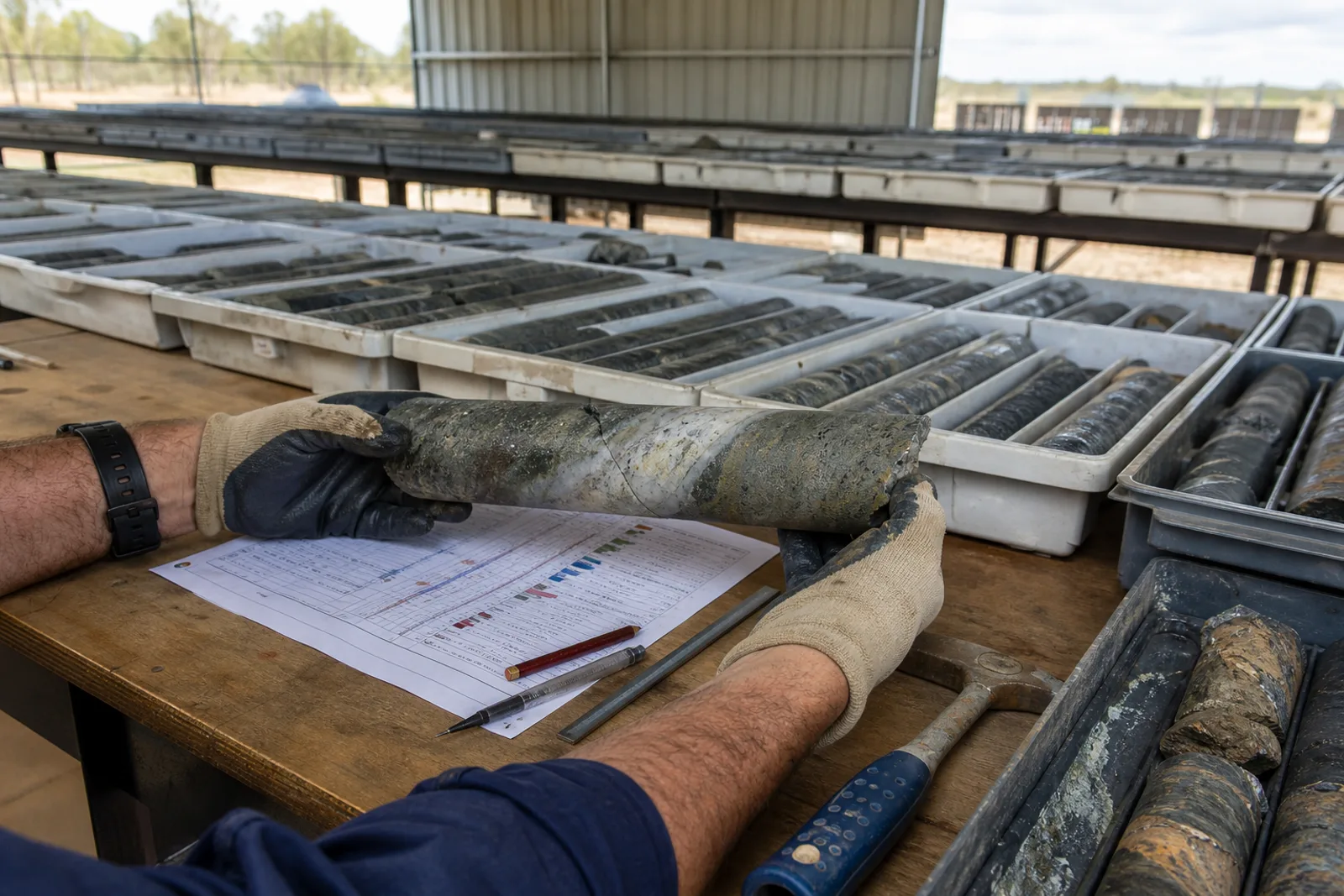
Identify a wrong name, material, location, date or status and show the source that supports the change.
Turn field experience in geology, geochemistry, operations, materials or local history into an accessible note.
Describe family papers, photographs, plans or objects before sharing files. Ownership and permission are agreed first.
Check the technical meaning of a draft in your field. Reviewer credit and conflicts are shown separately from authorship.
For a source or correctionThe review result, a change alert and credit—or anonymity—after moderation.
For a family collectionA simple inventory and provenance receipt, with digital copies and use conditions agreed before publication.
For an expert articleA verified profile, editorial and visual support, technical review and relevant source-pack access. Any honorarium is agreed before work starts.
For a council or societyA locality source audit and precise collection links, without implying endorsement or asking staff for promotional copy.
Access recognition is not investment consideration, a promise of commercial value or payment for a favourable conclusion. Publication depends on sources, rights, consent and editorial review.
Choose the smallest brief that matches what you know. A catalogue link, name correction or annotated photograph can be as valuable as a long article.
Test the familiar discovery story against reward claims, newspapers, maps, monuments and family papers.
Good fit: Local historians, archivists, descendants, historical societies and mining historiansReconstruct what each person found, reported or later received credit for, and show where the records disagree.
Useful evidence: Reward committee material, 1851 newspapers, maps, correspondence and later heritage studies Working report publishedSeparate Louis Michel’s find from the opening and licensing of Anderson’s Creek as a goldfield.
Useful evidence: Government notices, licence records, council interpretation, contemporary press and family material Working report publishedPlace Thomas Hiscock, John Dunlop and James Regan on a dated evidence sequence without forcing one simplified winner.
Useful evidence: Council heritage studies, contemporary reports, maps, memorial files and personal papers Working report publishedExplain why a later rewards committee could not choose one first discoverer and what is securely known about the early Bendigo Creek finds.
Useful evidence: Committee files, Golden Square studies, newspapers, plaques, maps and family records Working report publishedBuild a source-led note around Margaret Kennedy, Mrs Farrell and the limits of the surviving documentary record.
Useful evidence: Council heritage work, newspapers, family research and memorial documentationTrace how reports from Forest Creek moved through roads, newspapers and neighbouring camps.
Useful evidence: Contemporary press, government notices, maps, diaries and local studiesDocument the opening of the Ovens field and the earliest methods before water infrastructure changed the workings.
Useful evidence: Historical maps, mining survey reports, PROV records and local collectionsFollow a locality from pastoral run or creek name to goldfield, township and later municipality.
Useful evidence: Survey plans, gazettes, council naming files, maps and newspapersInvestigate who commissioned a marker, what wording was chosen and which claims were omitted.
Useful evidence: Council minutes, plaque files, newspapers, photographs and maintenance recordsFind earlier colonial rumours, specimens or suppressed reports and classify what they actually establish.
Useful evidence: Newspapers, official correspondence, reward notices and collection cataloguesFind the local paperwork that connects a working to roads, rates, permits, buildings, names and civic memory.
Good fit: Council archivists, librarians, heritage advisers, planners, records officers and local societiesShow how occupier, owner, valuation, description and address fields can connect a business to a place over time.
Useful evidence: Rate books, valuation records, directories and title referencesTrace a haul road, bridge, siding or loading place from proposal through maintenance.
Useful evidence: Council minutes, engineering files, contracts, maps and photographsExplain which historical municipality held a place before amalgamation and where its records moved.
Useful evidence: Municipal directories, PROV agency histories, gazettes and council archivesShow readers how citations, place schedules and thematic histories lead to original records.
Useful evidence: Council heritage studies, heritage overlays, source notes and collection cataloguesIdentify the evidence required to connect a town hall, bridge or kerb to a named quarry.
Useful evidence: Specifications, contracts, architects’ files, council minutes and quarry accountsDistinguish planning, local-history and infrastructure evidence from State work-authority status.
Useful evidence: Published council record guides, regulator registers and archival policiesIntroduce a council-owned collection and five mining or quarrying record types within it.
Useful evidence: Collection catalogue, acquisition notes and rights statementsTest a local naming story against the naming register and historical evidence.
Useful evidence: Road indexes, naming files, gazettes, maps and oral accountsDemonstrate a repeatable search using names, aliases, material terms and date ranges.
Useful evidence: Digitised minutes, indexes, agendas and correspondence registersPublish the best public council, library, archive, map and society sources for one area.
Useful evidence: Official catalogues, council pages, PROV, State Library and society collectionsConnect the Bairnsdale Local Studies collection and high-country mining record to 47 dated current-authority records without mixing historical and regulatory status.
Useful evidence: Council catalogue, former-shire records, Heritage Victoria studies, roads, maps and authority references Working report publishedUse the former Avon, Alberton, Maffra, Rosedale and Sale archive listings to explain one locality, quarry, road or goldfield.
Useful evidence: Rate books, council minutes, heritage citations, maps, photographs and authority references Working report publishedTrace one limestone, road-metal, stonemason or council-plant story from the environmental history into original records.
Useful evidence: Heritage-study footnotes, council minutes, contracts, History House catalogues and family material Working report publishedConnect a current limestone authority to a documented property, road, business or family record without assuming production or product quality.
Useful evidence: 1890–1925 rate books, council collection policy, photographs, contracts and authority references Working report publishedTurn public geology and geochemistry into explanations that are useful without pretending the map is a reserve or product specification.
Good fit: Geologists, geochemists, engineering geologists, hydrogeologists, surveyors and laboratory specialistsExplain which observations support each term and when a field name should remain provisional.
Useful evidence: Field criteria, mapped geology, petrography and cited technical referencesExplain geochemical background, natural variability and why an anomaly needs scale and context.
Useful evidence: Public geochemical data, sampling method and QA/QC referencesWalk through catchment scale, transport, media and uncertainty in a public atlas.
Useful evidence: Dataset methods, coordinates, detection limits and map scaleShow what each QA/QC control can reveal—and what it cannot rescue.
Useful evidence: Laboratory method, standards guidance and a worked non-project exampleExplain why mapped lithology alone cannot prove durability, grading or compliance.
Useful evidence: Petrography, testing, processing steps and specification contextDescribe how profile, joints, moisture and alteration can change material behaviour across a site.
Useful evidence: Engineering-geology observations and published field referencesBuild a screen-by-screen method for geology, authority and report layers.
Useful evidence: Official layer descriptions, scale notes and source metadataExplain centroids, entrances, occurrences, lease polygons and safe map language.
Useful evidence: Dataset metadata, GIS method and regulator guidanceExplain units, preparation, method changes and the limits of comparing old values.
Useful evidence: Original assay record, method notes and modern reporting guidanceShow how locality, collector, host rock and uncertainty should be recorded without valuing or authenticating the specimen.
Useful evidence: Label image with rights, provenance statement and collection guidancePreserve the names, jobs, objects and everyday systems that formal mine records usually leave out.
Good fit: Families, former workers, retirees, union and workforce historians, photographers and community museumsUse one photograph’s annotations to identify a place, date, people and chain of custody.
Useful evidence: Front and back images, family account, directory or newspaper corroborationExplain the dates, jobs, deductions, company names and unresolved abbreviations in a pay record.
Useful evidence: Permissioned pay book, family context, directories and company recordsShow what a roster reveals about work patterns without publishing private information unnecessarily.
Useful evidence: Permissioned roster, date, site context and review by a former workerDocument one tool’s use, maker, owner and path into the family collection.
Useful evidence: Photographs, maker marks, oral history and catalogue comparisonReconstruct a drilling, haulage, timber, catering or maintenance business around a known site.
Useful evidence: Invoices, advertisements, directories, photographs and family recordsDocument paid, family, office, service or community work using attributable records.
Useful evidence: Diaries, payroll, newspapers, photographs and oral history with consentResolve annotations, aliases and later official names while preserving uncertainty.
Useful evidence: Map image, handwriting context, gazetteers and government mapsUse an everyday photograph to recover names and relationships around a working.
Useful evidence: Photograph, program, newspaper, caption list and family reviewTrace a person only as far as the sources allow and separate fact from family recollection.
Useful evidence: Immigration, directories, electoral rolls, newspapers and permissioned family papersTell the provenance story of a box, album, diary or map before interpreting its contents.
Useful evidence: Custody timeline, inventory, rights decision and condition notesPublic recordA retrievable authority, archive, catalogue, map or publication.
Professional interpretationA named author or reviewer, relevant experience, citations and disclosed conflicts.
RecollectionAn attributed account with date, consent and corroboration notes.
Lead or disputed claimClearly labelled and kept out of definitive fields until supported.
No invented people or credentials. No sales article disguised as technical guidance. “Expert reviewed” does not mean peer reviewed. Authors approve the edited technical meaning and attributed quotations before publication.
A person reads each submission. Do not send original physical material. Start with a description and a public link or small reference image only after rights and privacy are considered.