What this report is for
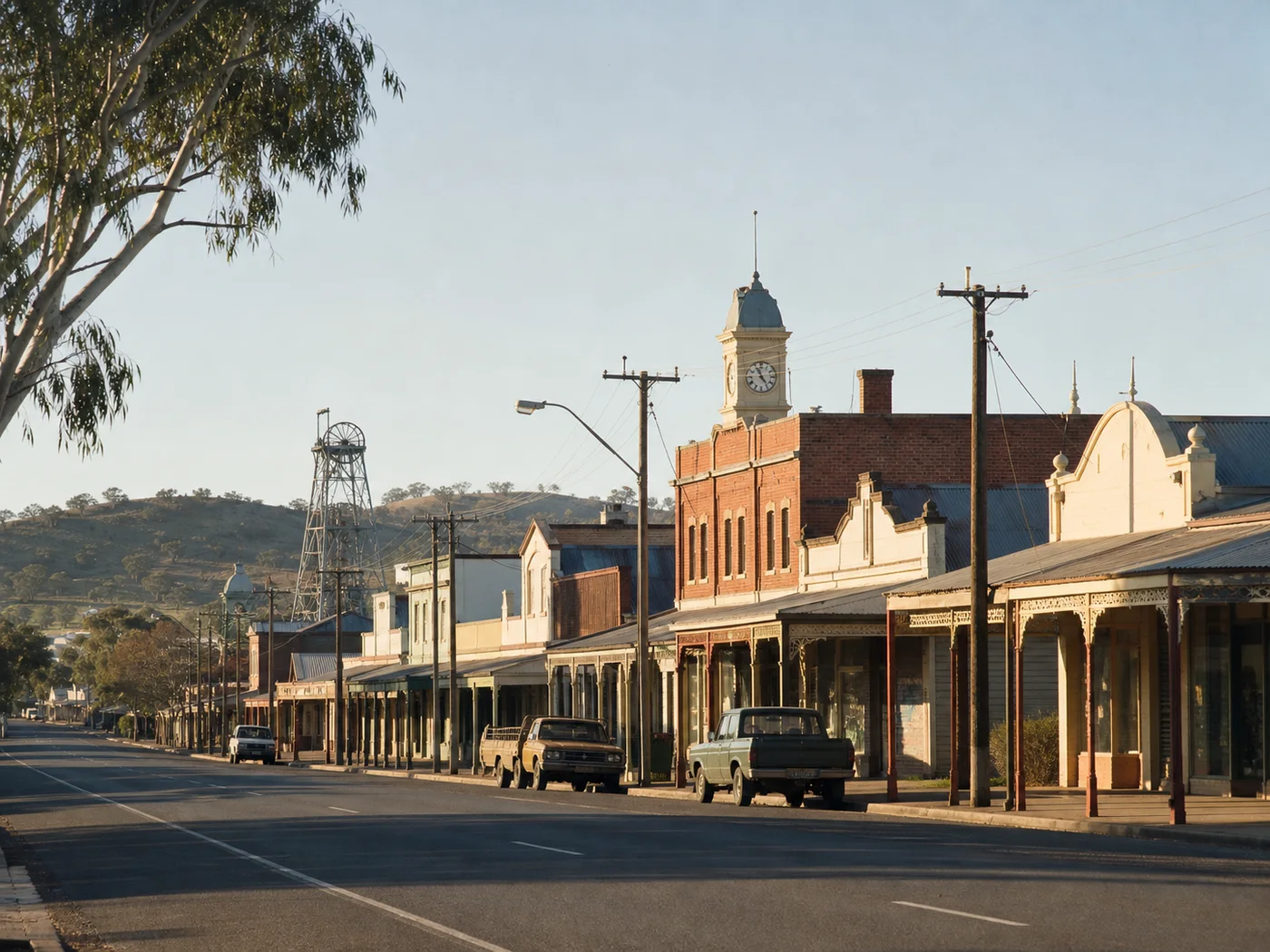
Broken Hill — the ore body that founded an industry. This page begins with what is actually present in the published register, then points back to the authorities behind those records.
At review date the group comprises 2 operating. A status is the latest value ingested from the cited release; it should be rechecked with the issuer before operational, commercial or travel decisions.
The most frequently recorded commodities in this reading set are Zinc (2), Lead (2), Silver (2), Copper (2), Gold (1). A count is a count of records, not tonnes, output or economic importance.
Boundary note: The map uses a deliberately conservative internal orientation box, not a statutory regional boundary.
How to continue the district search
Far west NSW is associated in this editorial taxonomy with Silver, Lead, Zinc, Mineral sands. Treat that list as a subject guide, not a resource estimate or site assignment.
Open the Geological Survey of New South Wales, search the district name and then switch on the current mines, deposits, geology and open-file report layers relevant to the question. Record the dataset title and retrieval date before citing a result.
Register map
The map makes distribution legible without implying a tenure boundary. Hover a point to identify the record; use the working list for the full source page.
Working list
2 recordsSources and continuation points
- Geoscience Australia — OZMIN (EarthResourceML-Lite WFS)CC BY 3.0 AU · retrieved 2026-08-24
- Geological Survey of New South WalesLinked authority reference; no additional data ingested · retrieved 2026-08-24
Continue with the Geological Survey of New South Wales.
Do you hold family mining records from far west NSW?
Diaries, field notes, maps, assay books and photographs can reconnect names, places and workings that formal datasets omit. We digitise, preserve and credit — on your terms, under a written agreement.